Extruded Discs
Your spine is simultaneously incredibly strong and extraordinarily vulnerable. It provides the support system for your ribcage, which protects your vital organs. It also gives structure to all of your movement. When this movement results in an extruded discs, though, your daily life can be severely impacted. This is what you should know.
What is an extruded disc?
The spinal column consists of 33 vertebrae divided into five sections of the spine. These include:
- Cervical (neck)
- Thoracic (upper and middle back)
- Lumbar (lower back)
- Sacrum (lower spine)
- Coccyx (tailbone)
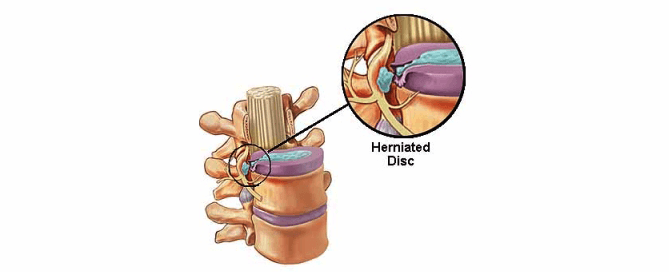
These vertebrae connect with ligaments and tendons. Their movement against each other is smoothed and cushioned by intervertebral discs. Intervertebral discs have a jelly-like center (nucleus pulposis) and a tough but flexible outer shell (the annulus fibrosis).
Over time or due to another cause (see more below), these discs can become compromised. The two most common types of disc issues are bulging discs and disc herniation. A bulging disc occurs when the disc maintains its integrity, but is pushed out between the vertebrae. Disc herniation occurs when the disc actually ruptures and releases the jelly-like fluid in the disc.
Extruded discs, on the other hand, are a specific form of disc herniation. Unlike protrusion, which only leads to tearing in a portion of the disc wall, in extrusion, all of the rings of the outer disc have torn, leaking disc material into the spaces between the vertebrae.
What does an extruded disc feel like?
The lumbar spine is the most common area for extruded discs to occur. This portion of the spine is the most mobile and absorbs much of the daily stress and pressure on the spinal column.
Also, as vertebrae age and degenerate, they become more likely to have issues, such as rupturing and expansion. An extruded disc may cause acute pain and stiffness in the back. For those with spinal cord nerve damage from an extruded disc, sharp and radiating pain is likely.
If an extruded disc is left untreated, or is severe, it may become a sequestrated disc. This is when material from the disc ends up in the spinal canal. This can cause severe nerve pain in some areas and numbness in others.
Extruded discs can also lead to a serious complication called cauda equina syndrome. If you experience a sudden worsening of symptoms, numbness inside of the leg, or loss of bowel or bladder control, head to your nearest emergency room for treatment.
What are common extruded disc causes?
The most common cause of extruded discs is natural wear-and-tear that occurs over time. Other extruded disc causes include:
- Injury (e.g., car accident or trauma)
- Severe strain on the back (heavy or improper lifting)
- Repetitive motion injuries
It’s important to note that extruded discs and other disc-related conditions are often just a natural consequence of the activity of the spine over time. People who carry excess weight or smoke are more prone to extruded discs, as are those with a genetic history of disc degeneration or a job that requires heavy lifting or repetitive motion in the spine.
9 extruded disc treatments
If you suffer from disc issues, your doctor will offer the most conservative treatments first. This gives your body the chance to heal itself without extreme measures. With proper treatment, extruded discs typically heal without surgery. Discs even have the ability to reabsorb the extruded material with time.
The following nine extruded disc treatments can help.
- Rest in the acute phase only (three days or less)
- Non-steroidal anti-inflammatory (NSAID) drugs to ease pain and inflammation
- A balanced diet to lose weight or maintain a healthy body-mass index
- Physical therapy exercises to strengthen the core that supports your back
- Realignment of proper posture
- Yoga or other meditative physical practices
- Training in proper form for repetitive motion activities or work
- Oral steroid medications (for more severe pain and swelling)
For patients who do not experience pain relief from more conservative measures, surgery may be an option. Microdiscectomy surgery is a common, minimally-invasive procedure to treat those with a severe extruded disc that is unresponsive to other treatment. Your doctor may recommend this procedure if your pain is unrelieved after several months of treatment, generally with good success rates.